Next time: 24 footer needed.
 This move was surprisingly hard; then I realized: we're out of practice! We had lived in one place not for one, but over 3 years! Our neighbors threw us a party the day before leaving, echoing gatherings of our "new" and old church groups. With Beacon Hill & GRC, we felt more attached than ever; resettling in CH* - at least for me - feels different this time. Not singing "I Left My Heart in Camarillo" yet though.

Really pricey now: $1 = .75 centimes. OUCH! CH is 20% higher living costs than Europe anyway, and a Big Mac in Zurich priced in at over $17.00 last week.
We are under the Pepperdine safety net for half of the main meals - huddling close like US soldiers in Japan, staying on base where their dollars hold sway - but make our way out to explore.
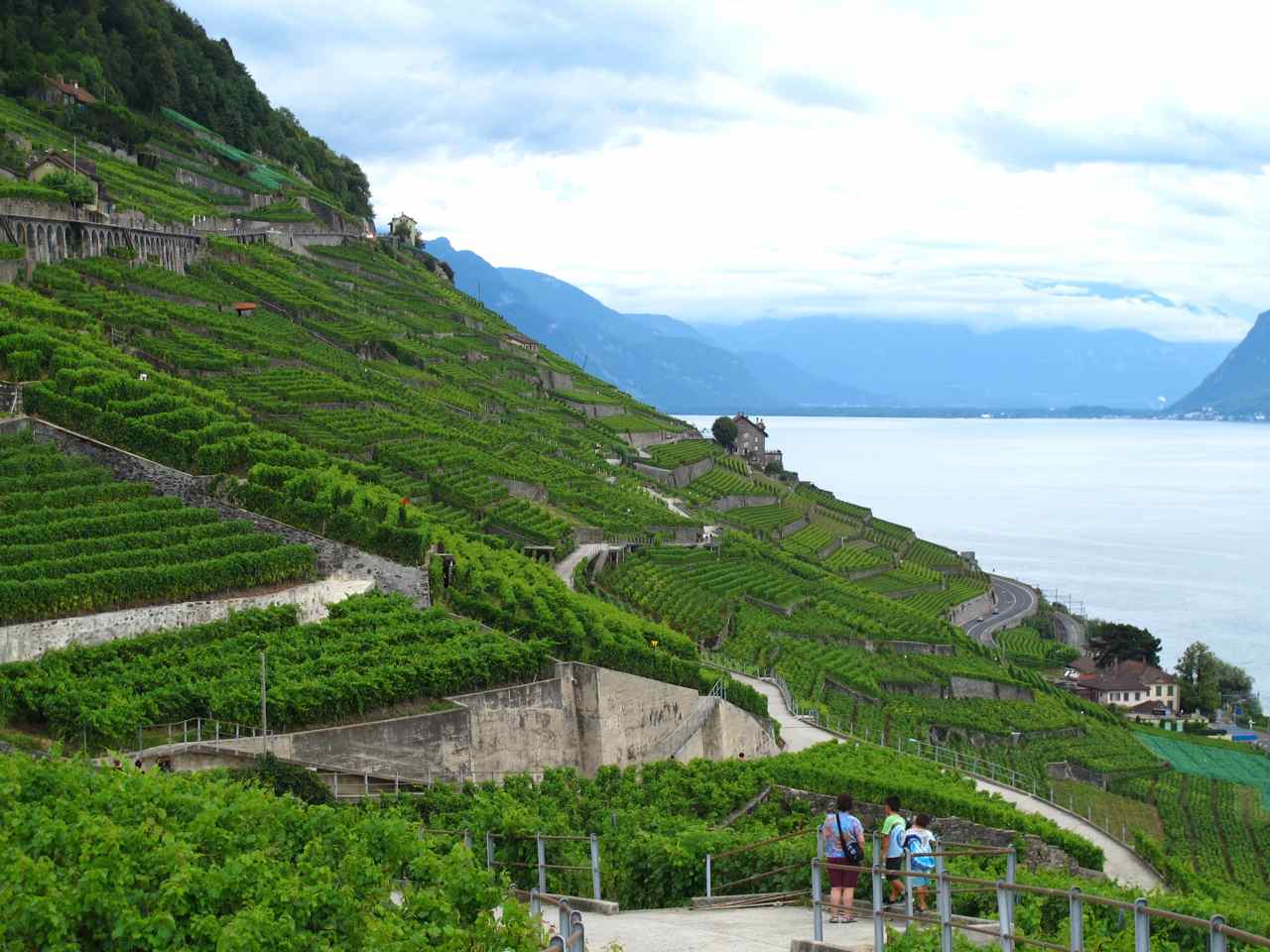 These terraced vineyards along the lake take my breathe away every time; deemd a UNESCO World Heritage Site 4 years ago. Hiking trails run parallel and shortcut paths cut across to other levels.
 Refilling water bottles is a fun sport; village fountains supplied by tasty mountain run-off.
Michael & Jack experience much nostalgia as they reacquaint with familiar see-saws, climbing trees, All Saints Church. Since we moved often and travel besides, they probably make mental adjustments more than most: ie this slide looks smaller, this railing shorter. At some point last year to his and my sadness, Michael became too heavy to ride on my shoulders. The boys have their lives ahead of them, but even at 8 & 6, sense time passing. Nothing registers life's melancholy quite like the steady aging of children.
***
New things. We visited the wonderful Food Museum (Alimentarium) in Vevey, sponsored by Nestles, the world's largest food company. History and geography of cuisine and a killer kitchen of a carefully prepared, set menu (4 course meal), this place was fascinating.
 Nutrition research, 200 year old dissertations. The museum is in the old Nestle mansion (the company owns Vevey) on the lake front.
 A fitness/calorie burning center complete with a somewhat more complex nutrition pyramid; Jack mostly favoring the middle carb/fat levels! Swiss are really health conscious now - nutrition labels, city initiatives to walk more, health clubs - though a far cry from USA's multi-billion dollar diet & obesity business.
 Outdoor gardens supply the museum restaurant and Michael found his favorite - pumpkins - hanging on an arbor!
Although the quality of restaurant meals is uniformly good, the exchange rate, twenty years of the USA's food revolution, and our credit-based, eat-out-all-the-time lifestyle means you can generally find better cheap to middle-fare meals in the States. Swiss noontime assiettes (plate-of-the-day) seem to run $23; stand vendor panini, $12 market sandwiches off a shelf, $7. More than once, I've thought, staring at my plate: "I paid $30 for this?"
Then again, hard to compare since lunches are seated, multi-course affairs; like having nice business lunches everyday. But when I'm back home looking for a lunch, generally don't pull into a Cheesecake Factory?
The museum's final room featured the place of food in religion, devoting key attention to the Church's feast days...

 and the last supper, reminding me of Christopher Page's history highlighting the church keenly known as a feasting & singing community, borne out in Pastor David's series on the Psalms, where even creation praises the Maker:
Let the rivers clap their hands; let the hills sing for joy together.
(Psalm 96:12)
(Psalm 96:12)
 Close-up of the beautiful vestment piece.
***
The lake sparkles in the summer light, crisscrossed by Alpine ridges - a glass-like stage with dramatic backdrop.

 We rented a paddleboat (with slide) of our own, as one of the great turn-of-the-century steampowered paddleboats whizzed by.

***
BTW, this has been the summer of lost teeth for Jack!
 Apparently, the Swiss tooth fairy settles at 5 francs.
***
Another morning we explored Chateau Chillon, one of the most beautiful, smaller castles of Europe.
 Castles are complete with dungeons and points of fascination, such as the lord's toilet! A real step-up apparently.
 I was struck by the mosaic patterns in the castle chapel and receiving rooms, compared to the rest of the interior.
  Certainly cathedrals held a beauty that was a gift to the community - an aesthetic that was social, not private. God & man co-mingled in the most beautiful spaces in town, whereas modern home-dwellers create private bastions of beauty. Imagine if the most exquisite aesthetic experience of the week, including awe-inspiring music, was a church. This social weight underscored by geographic proximity - churches anchored a town - has been poorly supplanted by the modern museum which, however vital, essentially curates, ie has overseen only one purview of a church: attending the past, a mausoleum of culture.
***
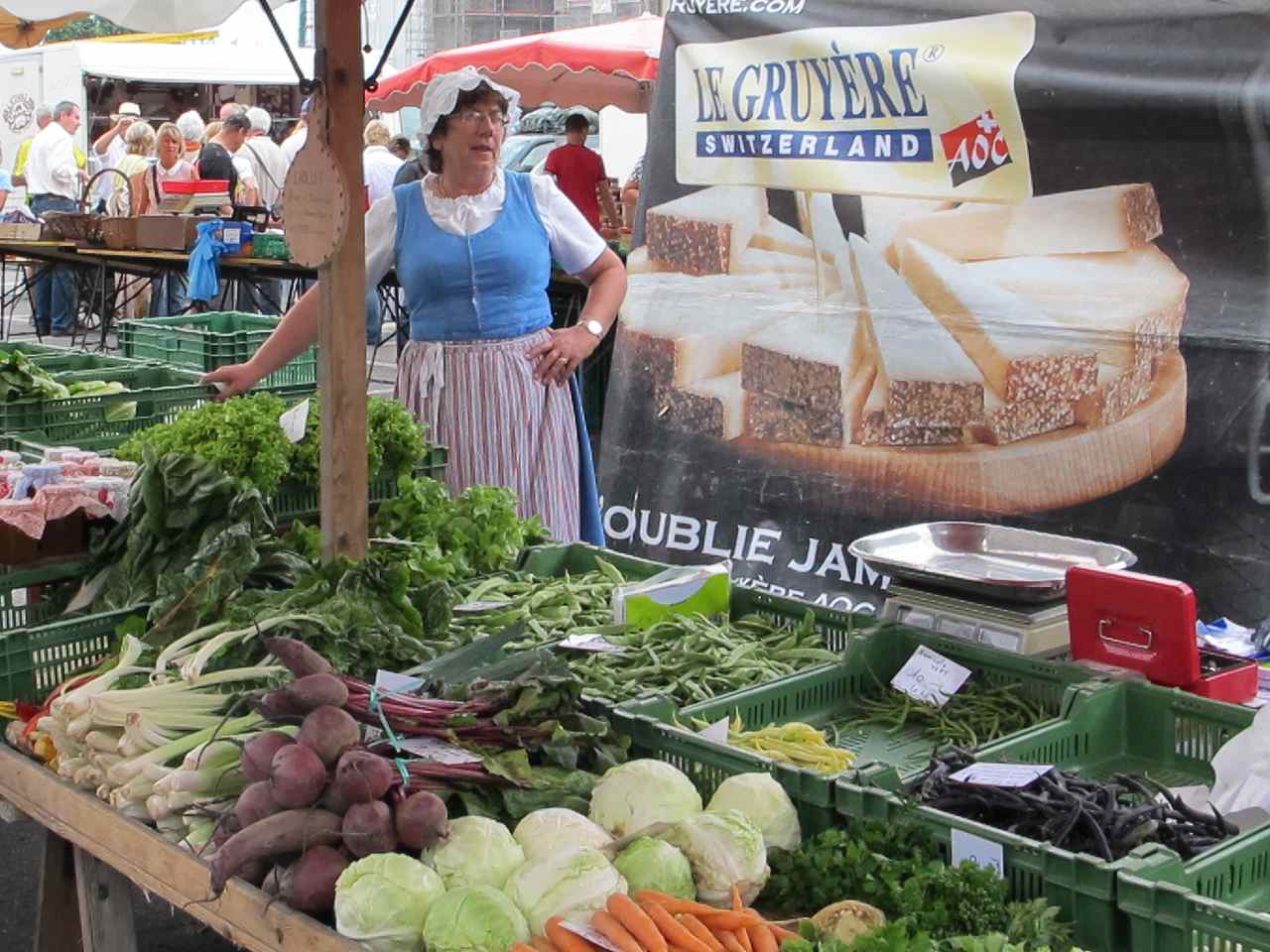
We made it to Vevey' outdoor market last Saturday, thoroughly enjoying the stalls; M & J are more independent - no stroller! no diapers! - enjoying the goods, while missing kettle korn. While we enjoyed the bottomless wine sampling! You buy a glass, then drink away.
 While we enjoyed the bottomless wine sampling! You buy a glass, then drink away.

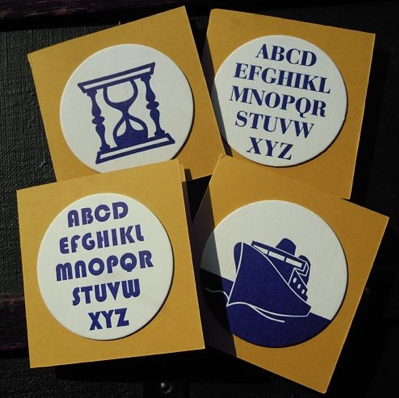
 There were new vendors, such as this block print outfit doing letter prints entirely by hand! Stunning.
 One section had sellers decked out in folk costume
 Believers were out there, too: "He is the same, yesterday, today, and forever" at the top. I admired them, as well as knowing that this form of witness was absolutely odd in Europe, even more so than in the States. But they're dedicated.

***
Picked-up our disposable grill, lakeside ritual, with Michael doing most of the grilling. Veal (wrapped in bacon), pork, North African merguez (lamb) sausages - very delicious.

Discovered Lausanne's outdoor pool and diving boards. Our thrillseeker did backflips off the 5 meter.

After church swim in the park fountain, with Michael's old school in back. Carolyn met with school officials, but need another to have M & J assessed before placement; we are hoping for the same school with same friends.


Thank you for reading this long entry!
*Confoederatio Helvetica (ancient Latin name of Switzerland), thus abbreviation CH.


